
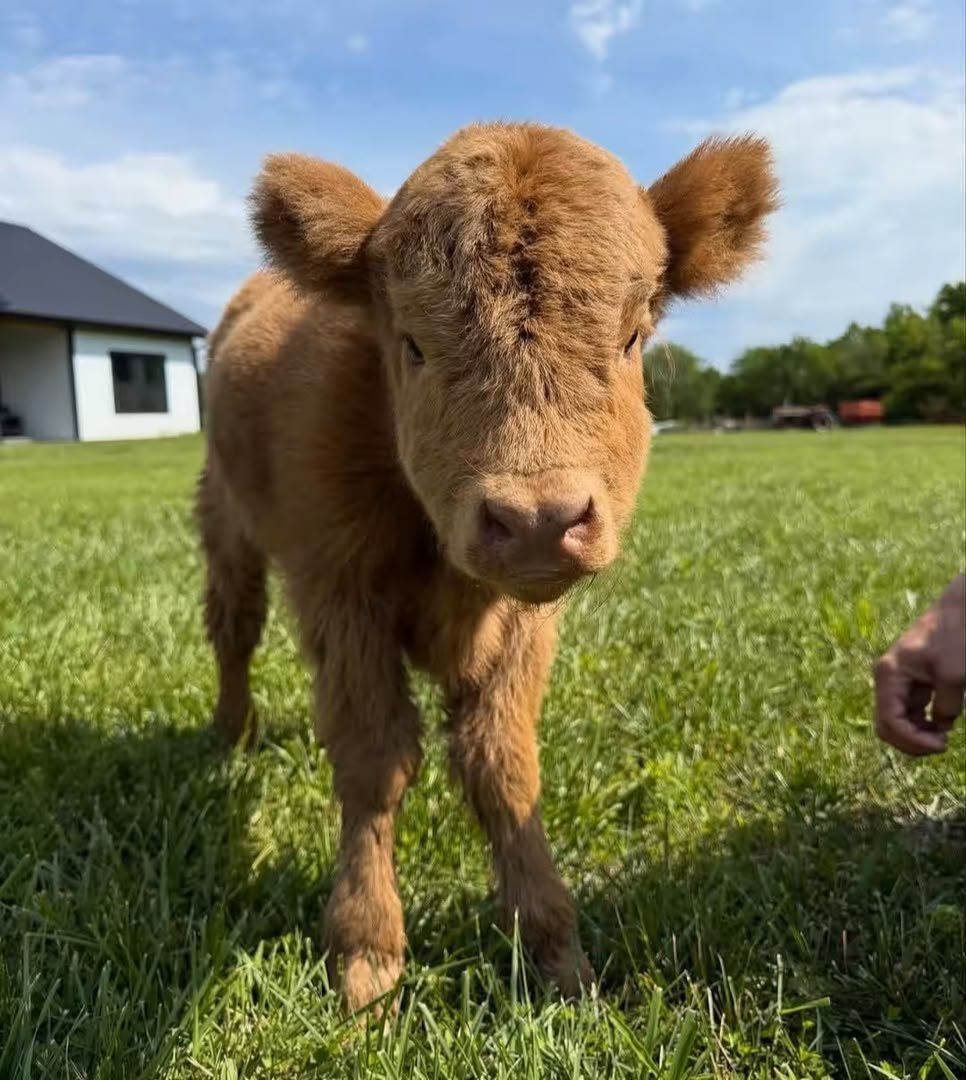
Mini Highland Cow: The Complete Guide to This Adorable Breed
Quick answer: A mini highland cow is a smaller version of the traditional Scottish Highland cattle breed, standing under 42 inches tall at maturity. Known for their fluffy coats, long horns, and gentle nature, these cows have become popular pets and hobby-farm animals thanks to their manageable size and friendly temperament.
If you’ve spent any time scrolling through farm animal videos lately, chances are you’ve fallen for the charm of the mini highland cow. These pint-sized bovines, with their shaggy coats and sweet faces, have captured hearts across social media and beyond. But there’s much more to these animals than their good looks.
This guide covers everything you need to know about mini highland cows—from their history and characteristics to their care requirements and cost. Whether you’re considering one as a pet or simply curious about the breed, you’ll find practical, honest answers here.
Let’s dig into what makes this teacup mini cow so special.
What Is a Mini Highland Cow?
A mini highland cow is a scaled-down version of the standard Scottish Highland cattle breed. To qualify as “mini,” these cows must stand no taller than 42 inches at the hip when fully grown. Many measure even smaller, at around 36 inches.
Despite their reduced size, mini highland cows keep all the beloved traits of their full-sized relatives. They have the same signature long, wavy coats, curved horns, and calm dispositions. Their small stature simply makes them easier to keep on smaller properties.
Breeders develop mini highland cows by selectively pairing the smallest animals over several generations. As a result, these cows retain their authentic appearance while fitting comfortably into hobby farms and even large backyards.
History and Origins of Mini Highland Cows
Highland cattle originally hail from the rugged Scottish Highlands, where they roamed for centuries. These hardy animals evolved to survive harsh weather, thin grazing, and cold winds. Their thick double coats helped them thrive where other breeds struggled.
The standard Highland breed dates back hundreds of years, with the first Highland Cattle Herd Book established in 1885. Farmers valued them for their beef, resilience, and low-maintenance nature.
The mini version, however, is a much more recent development. As interest in small-scale farming and unusual pets grew, breeders began selectively breeding smaller Highland cattle. Over time, they produced animals with the same distinctive look but a fraction of the size.
Today, mini highland cows are especially popular in the United States, where hobby farmers and pet owners appreciate their compact build. Demand has climbed steadily as more people seek out unique, manageable livestock.
What Makes Mini Highland Cows Different from Standard Highland Cattle?
The most obvious difference is size. A standard Highland cow can weigh well over 1,000 pounds, while a mini highland cow typically weighs between 500 and 700 pounds. Some micro minis weigh even less.
Beyond size, though, the two share nearly everything. Both have the same flowing coats, sweeping horns, and gentle personalities. Both are hardy and adaptable to a range of climates.
Here are the key differences at a glance:
- Height: Minis stand under 42 inches; standard Highlands often reach 46 to 54 inches.
- Weight: Minis weigh 500–700 pounds; standards can top 1,300 pounds.
- Space needs: Minis require less pasture and smaller shelters.
- Cost: Minis usually cost more due to their popularity and selective breeding.
Because of their smaller footprint, mini highland cows suit people who want the Highland experience without the demands of large livestock.
Size, Appearance, and Characteristics of Mini Highland Cows
Mini highland cows are famous for their distinctive appearance. Their long, wavy double coat comes in a range of colors, including red, black, yellow, dun, silver, and brindle. This coat keeps them warm in winter and can be surprisingly soft to the touch.
Their horns are another standout feature. Both males and females grow horns, which curve gracefully outward and upward. In females, the horns tend to be longer and more slender.
Here are some typical physical traits:
- Height: 36 to 42 inches at the hip
- Weight: 500 to 700 pounds at maturity
- Coat: Long, double-layered, and weather-resistant
- Lifespan: 15 to 20 years with proper care
Their fringe of hair over the eyes, often called a “dossan,” gives them their charming, teddy-bear look. This fringe also protects their eyes from insects and harsh weather.
Temperament and Personality: Are Mini Highland Cows Friendly?
Mini highland cows are known for their calm, friendly nature. Many owners describe them as gentle, curious, and even affectionate. With regular handling from a young age, they often become quite tame.
These cows tend to bond with their caretakers. Some will follow you around the pasture, enjoy a good scratch, and approach willingly for treats. This social side makes them popular with families and first-time owners.
That said, they’re still cattle. They can be stubborn at times, and their horns require respect. Proper handling and fencing keep both you and the animal safe.
Overall, their easygoing temperament ranks among the biggest reasons people choose this breed. They’re far more approachable than many other cattle types.
Feeding and Diet: What Do Mini Highland Cows Eat?
Mini highland cows are grazing animals, so grass and quality hay form the foundation of their diet. In fact, they’re efficient foragers and often thrive on pasture that wouldn’t sustain other breeds.
Here’s what a healthy diet typically includes:
- Pasture grass: Their main food source during grazing season
- Hay: Essential in winter or when grass is scarce
- Fresh water: Always available and clean
- Mineral supplements: To fill nutritional gaps
- Occasional treats: Such as carrots or apples in moderation
Avoid overfeeding grain, since these cows gain weight easily. Too much rich feed can lead to health problems. A mostly forage-based diet keeps them lean and healthy.
Because they evolved on sparse Highland terrain, mini highland cows digest rough forage well. This makes them relatively economical to feed compared to some breeds.
Housing and Space Requirements for Mini Highland Cows
One of the biggest appeals of the mini highland cow is its modest space needs. While a standard cow may need two or more acres, a mini can often do well on less. Still, more room is always better for grazing and exercise.
As a general guideline, plan for at least half an acre to one acre per mini highland cow. This gives them enough space to graze, roam, and stay healthy.
Shelter matters too. Although their thick coats handle cold weather easily, they still need protection from rain, wind, and intense summer heat. A simple three-sided shelter or barn usually does the job.
Sturdy fencing is essential. Their horns and curiosity mean flimsy fences won’t last. Many owners choose strong wooden or high-tensile fencing to keep their animals secure.
Finally, remember that cattle are herd animals. Mini highland cows do best with at least one companion, ideally another cow.
Health and Veterinary Care for Mini Highland Cows
Mini highland cows are generally hardy and healthy. Their Scottish heritage gave them strong immune systems and resistance to many common ailments. Still, routine care keeps them in top shape.
Regular veterinary visits are important. Your vet can handle vaccinations, deworming, and general checkups. Establishing care with a large-animal vet before buying is a smart move.
Key health tasks include:
- Vaccinations: As recommended by your veterinarian
- Deworming: On a regular schedule to prevent parasites
- Hoof trimming: Every few months to prevent lameness
- Dental checks: To catch problems early
- Coat care: Occasional grooming, especially in warmer months
Because they carry heavy coats, mini highland cows can struggle in extreme heat. Provide shade, water, and airflow during hot weather to prevent heat stress.
With good care, these cows often live 15 to 20 years. That long lifespan means owning one is a genuine commitment.
Are Mini Highland Cows Good Pets?
For the right owner, mini highland cows make wonderful pets. Their gentle temperament, manageable size, and striking looks make them appealing companions. Many families keep them purely for enjoyment.
However, they aren’t like keeping a dog or cat. They need land, proper fencing, shelter, and companionship. They also require ongoing costs for feed, vet care, and maintenance.
Consider a mini highland cow a good pet if:
- You have suitable land and secure fencing
- You can commit to daily care and long-term costs
- You want a calm, sociable animal
- You have space for at least two cows
On the other hand, they may not suit you if you have limited space, tight budgets, or no access to livestock veterinary care. Honesty about your situation matters here.
For those with the right setup, though, few animals offer as much charm and personality.
How Much Does a Mini Highland Cow Cost?
Mini highland cows aren’t cheap. Prices vary widely based on size, age, color, and lineage. On average, expect to pay between $2,000 and $5,000 for a standard mini.
Micro minis and animals with rare coat colors or excellent bloodlines can cost far more. Some premium animals sell for $10,000 or higher.
Beyond the purchase price, budget for ongoing expenses:
- Feed and hay: Especially through winter months
- Veterinary care: Vaccinations, checkups, and emergencies
- Fencing and shelter: Initial setup and repairs
- Registration: If you buy a registered animal
Buying from a reputable breeder costs more upfront but often saves money later. Healthy, well-bred animals tend to have fewer problems down the road.
In short, the true cost of ownership goes well beyond the sticker price. Plan carefully before committing.
Final Thoughts on Owning a Mini Highland Cow
The mini highland cow blends undeniable charm with a manageable size, making it a favorite among hobby farmers and pet owners alike. Their gentle nature, striking looks, and hardy constitution explain why demand keeps growing.
Still, owning one is a real responsibility. These animals need proper land, secure fencing, quality feed, and consistent veterinary care. They can also live up to 20 years, so the commitment is long-term.
If you have the space, budget, and dedication, a mini highland cow can bring years of joy. Start by researching reputable breeders, preparing your property, and connecting with a large-animal vet. With the right preparation, you’ll be well on your way to welcoming one of these lovable animals home.
Frequently Asked Questions
How big does a mini highland cow get?
A mini highland cow stands under 42 inches tall at the hip and typically weighs between 500 and 700 pounds at maturity. Micro minis can be even smaller.
How much does a mini highland cow cost?
Most mini highland cows cost between $2,000 and $5,000. Premium animals with rare colors or top bloodlines can sell for $10,000 or more.
Do mini highland cows make good pets?
Yes, for owners with suitable land and resources. Their gentle temperament and manageable size make them great pets, but they still need pasture, fencing, shelter, and companionship.
How long do mini highland cows live?
With proper care, mini highland cows typically live 15 to 20 years. This long lifespan makes ownership a serious, long-term commitment.
How much space does a mini highland cow need?
Plan for at least half an acre to one acre per animal. They also need shelter, secure fencing, and at least one companion cow, since they’re herd animals.
What do mini highland cows eat?
Their diet centers on pasture grass and hay, supplemented with fresh water and minerals. Limit grain, as these cows gain weight easily on rich feed.
Pingback: White Highland Cow: Rare Coat, Genetics & Buyer's Guide - Miniature Highland Hub