Pet Cow: Can Cows Really Be Pets? A Complete Guide
Quick answer: Yes, a pet cow can make a wonderful companion animal. Gentle, curious, and surprisingly affectionate, cows bond closely with people when handled kindly. The best pet cow breeds are small and calm, such as Highland, miniature Highland, Dexter, and mini Jersey. They need pasture, a companion, daily care, and a realistic budget.
Cows aren’t just farm animals anymore. More and more people are keeping a pet cow for company, not just for milk or beef. And once you meet a friendly cow that follows you around like a dog, it’s easy to see why.
But a pet cow is a big commitment. These are large, social animals with real needs. Before you fall for those big brown eyes, it helps to know what you’re signing up for.
This guide covers everything you need to decide. You’ll learn what makes a cow a good pet, which breeds suit companion ownership best, and what daily care really involves. We’ll also look at the pros, the cons, and the costs. By the end, you’ll know whether a pet cow fits your land, your budget, and your life.
Let’s dig in.
What makes a cow a good pet?
Cows have a reputation for being simple farm livestock. In reality, they’re intelligent, emotional, and social. That combination is exactly what makes a pet cow so rewarding.
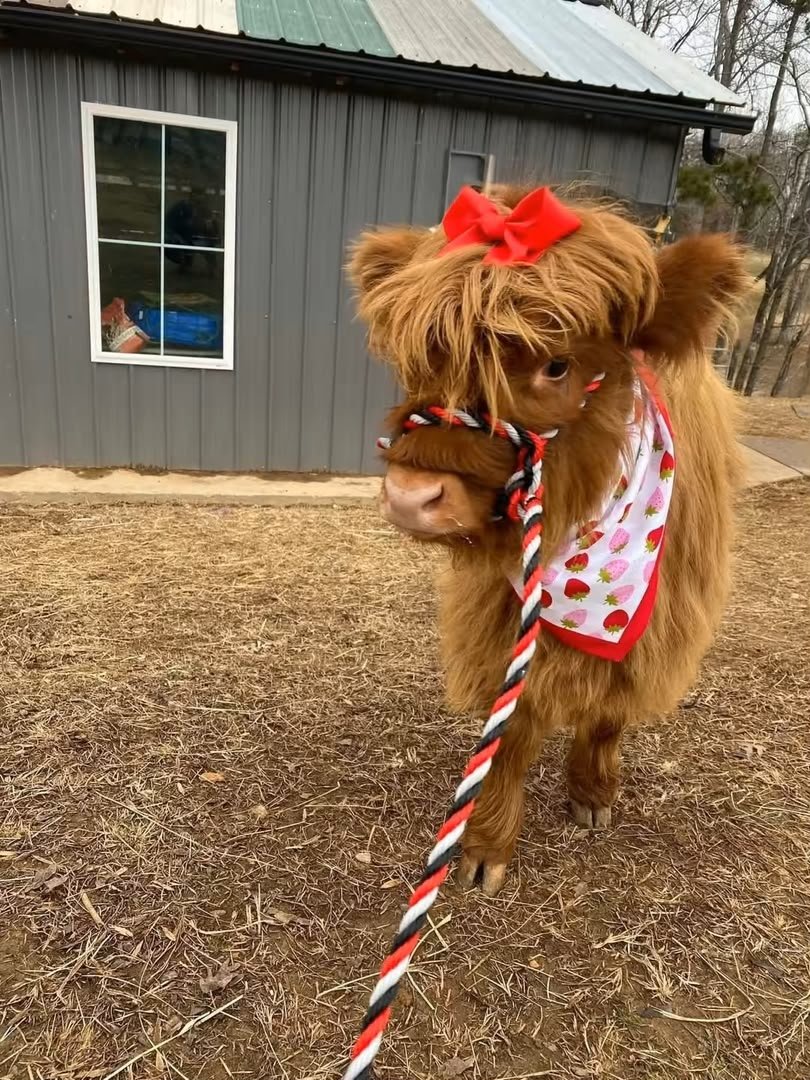
For starters, cows form strong bonds. When raised around people and handled gently, they grow calm and trusting. Many owners describe their cows as dog-like. They come when called, enjoy a good scratch, and greet visitors with curiosity rather than fear.
Cows are also creatures of habit. They quickly learn routines, which makes daily care predictable and manageable. Feed them at the same time each day, and they’ll be waiting for you at the gate.
Temperament matters most, though. A good pet cow is calm, patient, and easy to handle. That’s why breed and early socialization are so important. A cow that’s gently handled from calfhood usually becomes a friendly, well-mannered adult.
Size plays a role too. A smaller animal is safer and less intimidating to manage alone. That’s one reason a little cow or mini cow often makes a better companion than a full-sized beef animal.
Best breeds for pet cows
Not every cow is cut out to be a pet. Some breeds are naturally calmer, smaller, and more people-friendly than others. Here are four of the best choices for companion ownership. hereford calves for sale
Highland cattle
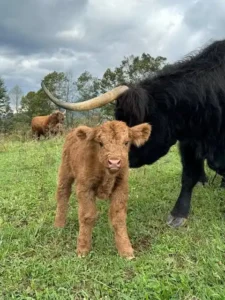
Highland cows are famous for their shaggy coats, sweeping horns, and gentle nature. Their teddy-bear looks make them social media stars, but their easygoing temperament is what wins hearts in person.
These cattle are hardy, long-lived, and calm around people. They handle cold weather with ease and forage well on rough land. The main thing to plan for is their size and horns, which call for strong fencing and respectful handling. If you have the space, a Highland makes a stunning and affectionate pet.
Miniature Highland cow
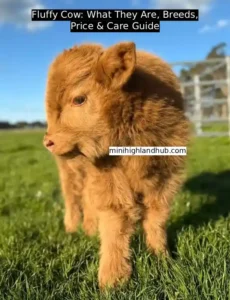
If you love the Highland look but lack the land, a miniature Highland cow is the answer. These scaled-down versions keep all the fluffy charm in a much smaller frame.
Standing under 42 inches tall, they need less space and feed than their full-sized cousins. They’re also easier and safer to handle, which suits first-time owners. Their gentle, curious nature makes them one of the most popular pet cow choices today. Just be prepared to pay a premium, since demand for these fluffy cows is high.
Dexter
The Dexter is one of the smallest naturally occurring cattle breeds. Originally from Ireland, it’s hardy, friendly, and refreshingly low-maintenance.
Dexters are true all-rounders. They can provide milk and beef, but they also make excellent pets thanks to their calm disposition and manageable size. Because they occur naturally small rather than through crossbreeding, they tend to be sturdy and healthy. For a practical, gentle companion, the Dexter is hard to beat.
Mini Jersey
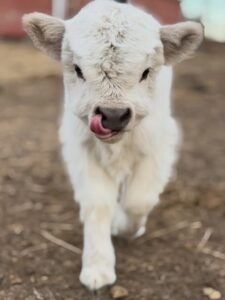
Miniature Jerseys are prized for their sweet faces and even sweeter temperaments. They’re small, docile, and famously friendly, which makes them ideal companion animals.
As a bonus, a mini Jersey can produce a modest supply of rich, creamy milk. That makes it a popular choice as a house cow pet for families who want a little fresh dairy alongside their companionship. Even if you never milk one, its gentle personality shines.
Realistic care requirements for a pet cow
A pet cow is not a low-effort animal. Before you commit, be honest about what daily life will involve. Here’s what you’ll need to provide.
Space and pasture
Even a small cow needs room to roam and graze. As a rough guide, a full-sized cow needs around two acres of good pasture. A mini cow or miniature Highland can often thrive on half an acre to an acre.
Land quality matters too. Poor or overgrazed pasture supports fewer animals. Rotational grazing helps keep the land healthy and your cow well-fed.
Zoning and local rules
This step trips up many hopeful owners. Livestock laws vary widely by area, and many residential zones simply don’t allow cattle.
Before buying, check your local zoning rules, minimum acreage requirements, and any permits you might need. A quick call to your local council or agricultural office can save you a lot of heartache later.
Companionship
Cows are herd animals. A lone cow can become stressed, lonely, and even depressed. This is one of the most overlooked parts of pet cow ownership.
For this reason, you should always plan to keep at least two. A pair keeps each other calm and content. If space is tight, two miniature cows are a better choice than one standard animal.
Daily time commitment
Cows need daily attention. That means fresh water, feed checks, and a quick look over each animal for signs of illness or injury.
Beyond the basics, expect regular tasks throughout the year. These include:
- Hoof trimming, several times a year
- Vaccinations and parasite control
- Grooming, especially for fluffy breeds
- Fence and shelter maintenance
You’ll also want a good relationship with a large-animal vet. Line one up before you buy, not after.
Shelter
Cattle need protection from harsh weather. A simple three-sided shelter usually does the job, offering shade in summer and a windbreak in winter.
Hardy breeds like the Highland cope well with cold thanks to their thick coats. In fact, heat is often the bigger concern for them. Whatever the breed, shade and fresh water are non-negotiable in warm months.
Pros and cons of keeping a pet cow
Every pet has upsides and downsides. Weighing them honestly helps you make the right call.
The pros:
- Affectionate companions. A well-socialized pet cow can be gentle, loyal, and genuinely fun to be around.
- Long lifespan. Many cows live 15 to 20 years, so you get a long-term friend.
- Land management. Your cow will graze weeds and grass, keeping pasture tidy naturally.
- Fresh milk (optional). Dairy breeds like the mini Jersey can supply a little milk for the household.
- Endless charm. Few pets turn heads like a fluffy Highland or a tiny mini cow.
The cons:
- Space demands. Even small breeds need pasture and shelter.
- Ongoing costs. Feed, fencing, and vet care add up over the years.
- Daily commitment. Cows need care every single day, holidays included.
- Companionship rule. You’ll need at least two, which doubles some costs.
- Zoning limits. Local laws may rule out cattle entirely.
For the right owner, the pros easily outweigh the cons. For someone short on land, time, or budget, though, a pet cow may not be practical.
How much does a pet cow cost?
Cost is a major factor, so plan carefully. The purchase price is only the beginning of a long-term financial commitment.
For the animal itself, expect a wide range. A standard cow or Dexter often costs between $1,500 and $3,500. Miniature cows and mini Jerseys typically run higher, from around $1,800 to $5,000. Miniature Highland cows sit at the top of the market, sometimes reaching $10,000 or more due to soaring demand.
Beyond the purchase, budget for these ongoing and setup costs:
- Fencing strong enough to contain cattle, especially horned breeds
- Shelter construction or repair
- Feed and hay, particularly through winter
- Veterinary care, including vaccinations and check-ups
- Hoof trimming a few times a year
- Transport to bring your cow home
Remember to multiply feed and vet costs, since you’ll keep at least two animals. Fortunately, a mini cow eats far less than a full-sized one, which keeps running costs more reasonable.
Is a pet cow right for you?
A pet cow rewards the right owner with years of gentle companionship. The key is matching the animal to your situation.
Choose a Highland if you have plenty of space and love the classic fluffy look. Pick a miniature Highland or mini cow if land is limited but charm is a priority. Consider a Dexter for a hardy, practical all-rounder. And go for a mini Jersey if you’d like a little fresh milk alongside your companion.
Whatever you choose, do your homework first. Check local rules, budget honestly, and always plan for a companion animal. Then find a reputable breeder who health-tests their herd and socializes their calves.
Frequently asked questions about pet cows
Can you really keep a cow as a pet?
Yes, you can keep a cow as a pet, and many people do. Cows are intelligent, social, and affectionate when handled gently from a young age. They need pasture, shelter, a companion, and daily care, but they can become loving, long-term companions.
What is the best breed for a pet cow?
The best pet cow breeds are small and calm. Highland, miniature Highland, Dexter, and mini Jersey cattle are top choices. They’re known for gentle temperaments and manageable sizes, which make them safer and easier to handle than large beef breeds.
How much land does a pet cow need?
A full-sized pet cow needs around two acres of good pasture. A mini cow or miniature Highland can often thrive on half an acre to one acre. Because cows are herd animals, plan for at least two and scale your land accordingly.
Do pet cows need a companion?
Yes, pet cows need a companion. Cows are herd animals and become stressed or lonely when kept alone. Always plan to keep at least two so they can stay calm, content, and healthy together.
How long do pet cows live?
Pet cows typically live 15 to 20 years with proper care. Good nutrition, clean water, adequate shelter, and regular veterinary attention all help them reach a long, healthy lifespan.
Is a mini cow easier to keep than a full-sized one?
Generally, yes. A mini cow needs less space and feed, and its smaller size makes it safer and easier to handle alone. That’s why miniature cows and a little cow of a gentle breed often make ideal pets for first-time owners.
Ready to welcome a pet cow into your life?
A pet cow can be one of the most rewarding animals you’ll ever keep. Gentle, curious, and full of personality, the right cow becomes a true member of the family. The secret is choosing a calm, manageable breed and preparing properly before it arrives.
Start by checking your local zoning rules and honestly assessing your space, time, and budget. Then explore the breeds that suit companion ownership best, and connect with a reputable breeder. Remember to plan for at least two, since these social animals thrive with company.
Curious about the fluffiest options? Keep following our series, where we dig deeper into Highland cows, miniature Highland cattle, and other pint-sized favorites.