
Micro Teacup Mini Highland Cow: Size, Price & Care Guide
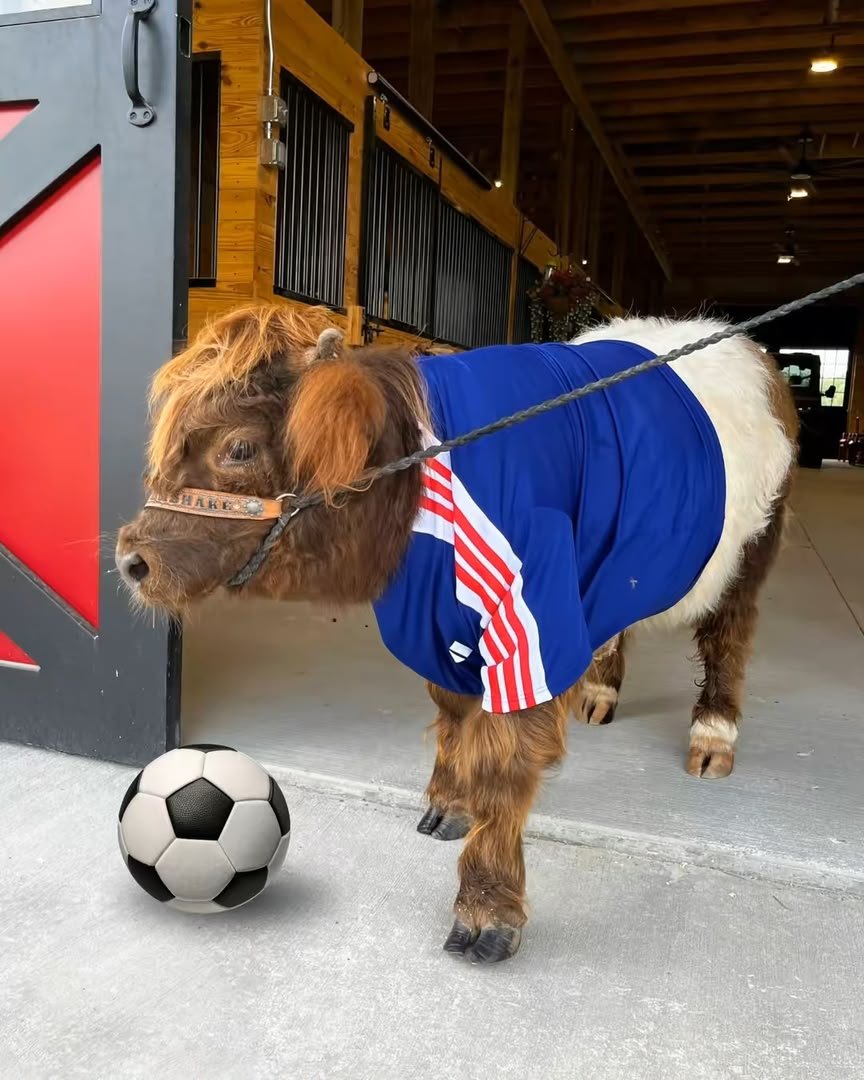
Quick answer: A micro teacup mini highland cow is the smallest type of Highland cattle, standing under 36 inches tall and weighing 400 pounds or less. Their compact size, fluffy coats, and gentle temperament make them popular on small hobby farms and as pets.
Have you ever seen a Highland cow so small it looks like it wandered out of a fairy tale? That’s the micro teacup mini highland cow. This tiny version of the classic Scottish breed has captured hearts across social media—and for good reason.
These little cattle carry all the charm of a full-sized Highland in a far more manageable frame. In this guide, you’ll learn what sets them apart, what to expect in terms of price, and what caring for one actually involves. If you’re ready to find one, we’ll also point you toward the right places to look.
Let’s get into it.
What Is a Micro Teacup Mini Highland Cow?
A micro teacup mini highland cow is the smallest category of miniature Highland cattle. Standard Highlands stand 46 to 54 inches at the hip. Regular mini Highlands come in under 42 inches. Micro teacup minis go even further—most stand under 36 inches tall.
Breeders produce them through years of careful, selective pairing, choosing the smallest animals across multiple generations. The result is an animal that keeps the signature shaggy double coat, sweeping horns, and calm disposition of the Highland breed—just in a much smaller body.
Because of their reduced size, most micro minis weigh 400 pounds or less. That’s a fraction of the 1,000-plus pounds a standard Highland can reach, which makes them considerably easier to handle and house.
How Much Does a Micro Teacup Mini Highland Cow Cost?
Micro teacup mini highland cows sit at the top of the Highland cattle price range. Because they are the smallest and rarest size tier, they consistently cost more than both standard Highlands and regular miniature Highlands.
To put this in context, prices across the Highland cattle market look roughly like this:
Type | Typical Price Range |
|---|---|
Standard Highland calf | $1,500 – $3,500 |
Standard adult Highland | $2,500 – $6,000+ |
Miniature Highland cow | $2,000 – $5,000 |
Micro teacup mini Highland | $5,000 – $10,000+ |
Several factors push micro teacup prices toward the higher end:
- Rarity: True micro minis take years of selective breeding to produce consistently.
- High demand: Their viral appeal keeps buyer interest—and prices—elevated.
- Coat color: Rare shades like silver, white, and brindle attract a premium.
- Registration and pedigree: Documented bloodlines add significant value.
For a full breakdown of what drives prices across all Highland cattle types, visit our Highland cow price guide.
Are Micro Teacup Mini Highland Cows Good Pets?
For the right owner, yes. Micro teacup mini highland cows are friendly, curious, and surprisingly gentle. Their small size makes them easier to handle than standard cattle, and with regular interaction from a young age, many become quite tame.
That said, they aren’t low-effort animals. Like all Highland cattle, they need companionship, outdoor space, proper shelter, and consistent care. Keep at least two together—these are herd animals, and a lone cow will become stressed and unhappy.
How Do You Care for a Micro Teacup Mini Highland Cow?
Caring for a micro teacup mini highland cow follows the same core principles as caring for any Highland cattle, just scaled down. Here’s what to plan for.
Space and Fencing
Micro minis need less land than standard cows, but they still need room to graze and move. Aim for at least half an acre per animal. Sturdy fencing is non-negotiable. Their horns and natural curiosity can destroy flimsy barriers quickly, so invest in solid wooden or high-tensile fencing from the start.
Feed and Shelter
Pasture grass covers most of their diet during grazing season. Through winter, or when pasture is thin, supplement with good-quality hay. Fresh water should always be available.
A simple three-sided shelter protects them from rain, cold wind, and summer heat. Their thick double coats handle cold well, but they still need shade and airflow in warmer months.
Health and Grooming
Plan for routine veterinary visits covering vaccinations, deworming, and general checkups. Hoof trimming every few months prevents lameness, and their dense coats may need occasional grooming—especially in summer.
Budget around $1,000 to $3,000 per cow each year for ongoing care costs, including feed, vet bills, and general maintenance.
Frequently Asked Questions
How big does a micro teacup mini highland cow get?
A micro teacup mini highland cow typically stands under 36 inches at the hip and weighs 400 pounds or less at maturity. By comparison, a standard Highland cow can top 1,300 pounds.
How much does a micro teacup mini highland cow cost?
Prices generally range from $5,000 to $10,000 or more. Registration status, coat color, bloodline quality, and breeder reputation all influence where an individual animal falls in that range.
Do micro teacup mini highland cows need a companion?
Yes. These are herd animals by nature. Keeping one alone causes stress and behavioral problems. Always plan to keep at least two.
How long do micro teacup mini highland cows live?
With proper care, they typically live 15 to 20 years. That long lifespan makes ownership a meaningful, long-term commitment—so plan accordingly before you buy.
Are micro teacup mini highland cows hard to care for?
They’re relatively hardy and low-maintenance compared to some livestock. However, they still require proper space, secure fencing, shelter, routine veterinary care, and at least one companion animal.
Is a Micro Teacup Mini Highland Cow Right for You?
The micro teacup mini highland cow packs everything people love about the Highland breed into one of the most manageable sizes available. They’re gentle, long-lived, and well-suited to smaller properties. However, their premium price point and 15-to-20-year lifespan make them a serious commitment.
Before you buy, make sure your land, fencing, and shelter are ready. Connect with a large-animal vet in your area. Then reach out to a trusted breeder who can pair you with a healthy, well-bred animal.
When you’re ready to take the next step, explore these pages:
- Browse available animals: Mini highland cows for sale
- Understand the full cost: Mini highland cow price guide
Pingback: Fluffy Cow: What They Are, Breeds, Price & Care Guide - Miniature Highland Hub