
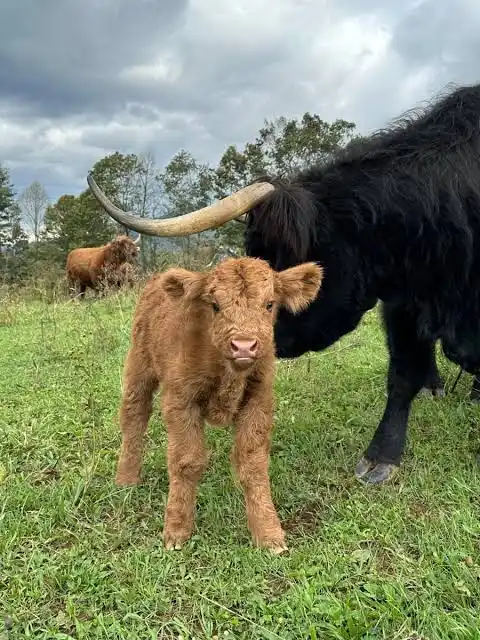
Baby Highland Cow Guide: Care, Cost, and Facts About Fluffy Calves
Few animals capture hearts as quickly as a fluffy baby highland cow. With their shaggy double coats, Teddy-bear expressions, and gentle temperaments, these Scottish calves are currently some of the most sought-after baby cows in the homesteading community.
However, raising a calf requires preparation. Because keeping any livestock is a big commitment, you should understand their basic needs before bringing one home. This complete guide covers everything you need to know about caring for a baby highland cow, including diet, shelter, costs, and essential health checks.
What Makes a Baby Highland Cow Unique?
Highland cattle originate from the harsh Highlands of Scotland. Consequently, even a newborn baby highland cow possesses distinct adaptations that help it thrive in tough conditions.
Double-Layer Coat: Their signature woolly undercoat and long outer hair keep them warm, dry, and protected from wind or rain.
Compact Body Structure: Highland calves are sturdy and naturally built to handle rough terrain.
Gentle Temperament: Although adult cows can grow impressive horns, young calves are generally calm, friendly, and easy to train.
While all baby cows are adorable, the iconic “teddy bear” appearance of a young Highland calf makes this heritage breed especially famous worldwide.
Essential Care Requirements for Highland Calves
Proper daily maintenance keeps your young livestock healthy and thriving. Therefore, you should prepare your farm before your calf arrives.
1. Proper Nutrition and Feeding
If your calf is still nursing, its mother’s milk or a quality replacer provides all the necessary nutrients. Once weaned, a baby highland mini cow transitions smoothly to high-quality pasture grass and clean hay. Because livestock require constant hydration, always provide unrestricted access to fresh, clean water.
2. Outdoor Space and Shelter
Although Highland cattle are famous for cold-hardiness, young calves still need protection from severe downpours and strong winds. A clean, well-ventilated three-sided shed layered with dry straw provides ideal shelter.
3. Grooming and Pasture Hygiene
Their shaggy coat requires periodic brushing to remove mud and burrs. Regular grooming creates a bonding opportunity while allowing you to check for ticks or skin issues early.
How Much Does a Baby Highland Cow Cost?
| Expense Category | Estimated Cost Range | Notes |
| Purchase Price | $2,500 – $7,000+ | Depends on pedigree, registration, and coat color. |
| Initial Setup | $800 – $2,000 | Fencing, water troughs, and basic shelter. |
| Annual Feeding | $500 – $1,200 | Includes quality hay, minerals, and pasture upkeep. |
| Veterinary Care | $200 – $500/year | Vaccines, deworming, and routine wellness checks. |
Frequently Asked Questions
Can baby highland cows live alone?
No, cows are herd animals. A single baby highland mini cow will become lonely and stressed. Therefore, you should always plan to keep at least two baby cows or companion animals together.
How big do Highland calves get?
Standard Highland cows reach 900 to 1,200 pounds when fully grown. Miniature varieties stay smaller, usually weighing between 500 and 800 pounds.
Final Thoughts on Raising Highland Calves
Welcoming a baby highland cow to your homestead brings immense joy and rewarding companionship. By providing solid shelter, proper feeding, and regular companionship, your calf will grow into a healthy, magnificent adult animal.
Pingback: How Much is a Highland Cow? 2026 Price & Ownership Guide - Miniature Highland Hub
Pingback: Mini Fluffy Cow: Breeds, Care & Why They Make Great Pets - Miniature Highland Hub