White Highland Cow: The Rare Beauty of Scotland’s Fluffiest Cattle
Quick answer: A white Highland cow is a Highland—one of Scotland’s iconic shaggy cattle breeds—with a rare, cream-to-white coat. White is one of the least common Highland colors, which makes these fluffy cows highly sought after by breeders and buyers. Their color comes down to genetics, and while it looks striking, it doesn’t change the breed’s hardy, gentle nature.
There’s something almost magical about a white Highland cow. Picture that long, flowing coat and those sweeping horns, only in a soft, snowy shade instead of the familiar russet red. It’s no surprise these animals stop people in their tracks and rack up likes online.
But rarity brings questions. Why are white Highlands so uncommon? Are they a separate breed? Do they cost more? And if you’re hoping to buy one, what should you actually watch out for?
This guide answers all of that. We’ll dig into what makes the white coat so special, how the color genetics work, and what smart buyers need to know before handing over their money. If you’ve fallen for these snowy fuzzy cows, read on.
What is a white Highland cow?
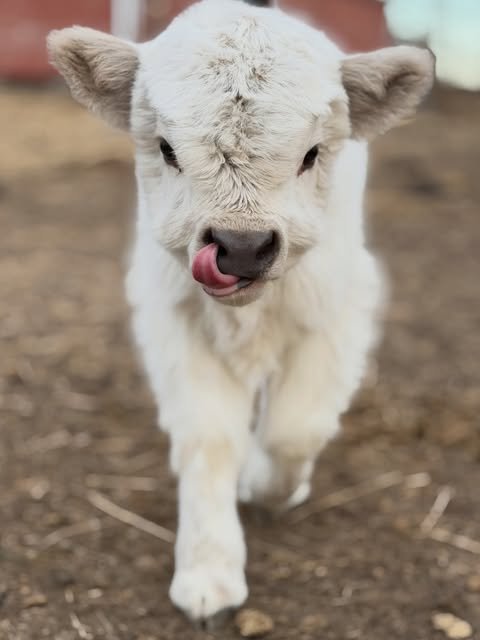
A white Highland cow is simply a Highland cow that carries a white or cream-colored coat. It’s not a different breed. It’s the same hardy, long-haired animal you’ll find across the Scottish Highlands, just wearing a rarer shade.
Highland cows come in a whole rainbow of natural colors, from red and black to yellow, dun, brindle, and silver. White sits at the uncommon end of that spectrum, which is a big part of its appeal. For the full breed background, see our highland cows pillar guide.
Coat color aside, a white Highland shares every classic trait of the breed. Expect the same double coat, the same signature fringe over the eyes, and the same calm, curious personality that makes Highlands so beloved.
Why are white Highland cows so rare?
White is one of the least common colors in the Highland breed. Most Highlands you’ll see are red, black, or dun, and those shades dominate herds around the world.
Rarity comes down to genetics and breeding choices. The genes that produce a true white or pale cream coat show up far less often than those behind red or black. Because fewer white animals exist, breeders have fewer opportunities to produce more.
Demand adds to the effect. When a color is both scarce and stunning, buyers compete for the few animals available. That pushes prices up and encourages some breeders to focus on producing more white and silver Highlands.
How does white coat color work in Highlands?
Coat color in Highland cows is controlled by a handful of genes, each passed down from both parents. Understanding the basics helps you know what to expect when breeding or buying.
White vs. silver vs. cream
Not every pale Highland is truly white. Many “white” Highlands are actually very light silver or cream, and the shade can shift with age, season, and sunlight.
- White: the palest, snow-like shade, and the rarest
- Silver: a pale grayish coat, sometimes mistaken for white
- Cream or light dun: a soft, buttery tone that reads as near-white
Because these shades blur together, honest breeders describe color carefully rather than labeling everything “white” to charge more.
How parents pass on color
A calf inherits one color gene from each parent. Two pale-coated parents are more likely to produce a pale calf, but genetics can still surprise you. A white cow bred to a red bull may throw a calf in any number of shades.
That unpredictability is exactly why white Highlands stay rare. You can’t guarantee a white calf, even from two white parents.
What do white Highland cows look like?
Beyond the coat color, white Highlands look just like any other Highland cow. Their appearance is the reason so many people call them the most beautiful of the fluffy cows.
Their defining features include:
- A long, wavy double coat in a pale white, cream, or silver shade
- Sweeping horns on both males and females
- A soft fringe covering the eyes, known as a “dossan”
- A stocky, short-legged build suited to rough ground
- A calm, gentle expression that draws people in
Against a green pasture or a snowy backdrop, a white Highland cow looks almost otherworldly. That photogenic quality is a major reason breeders and photographers seek them out.
Are white Highland cows a different breed?
No. A white Highland cow is not a separate breed. It’s a standard Highland with a rare coat color, and it carries the exact same breed traits, temperament, and hardiness as any other Highland.
Some sellers imply that white Highlands are special or “premium” animals. In truth, the only difference is the coat. A white Highland is no healthier, no fluffier, and no more affectionate than a red or black one.
Keep that in mind when you shop. You’re paying extra for rarity and looks, not for a better or different animal.
Are white Highland cows good pets?
Yes, white Highland cows make just as good pets as any other Highland. Their gentle, curious nature makes the whole breed a favorite among hobby farmers and smallholders.
Like all Highlands, they’re calm, hardy, and long-lived, often reaching 15 to 20 years. Raised around people from a young age, they can become genuinely affectionate, following you around the field and enjoying a good scratch.
Their size and horns still call for respect and strong fencing, though. If space is tight, a smaller option might suit you better. Our highland cow mini guide covers the pint-sized version, which also appears in rare white and silver shades.
What should buyers know before purchasing a white Highland cow?
Buying a white Highland is exciting, but rarity attracts inflated prices and the occasional dishonest seller. Here’s what to check before you commit.
Verify the true coat color
Ask for clear photos in natural light, and if possible, visit in person. Many “white” Highlands are actually silver or cream. Knowing the real shade helps you judge whether the price is fair.
Confirm registration and pedigree
Reputable breeders register their animals and can show you the pedigree. Registration confirms the animal is a genuine Highland and gives you a record of its lineage and coat-color genetics.
Check health and temperament
Color should never come before welfare. Look for a healthy coat, clear eyes, sound hooves, and a calm temperament. A gentle, well-socialized animal is worth far more than a rare color with a nervous nature.
Understand the price premium
White and silver Highlands often cost more than red or black ones. Expect to pay a premium for the color, and make sure the rest of the animal justifies the price.
Plan for a companion
Highlands are herd animals and need company. Never buy just one. Plan for at least two so they stay calm and content.
How much does a white Highland cow cost?
White Highland cows generally cost more than common colors because of their rarity and demand. While a standard red Highland might run from around $2,000 to $5,000, white and silver animals often sit at the higher end or beyond.
Several factors push the price up:
- Coat color: true white commands the biggest premium
- Pedigree: registered, well-bred animals cost more
- Age and sex: bred females and proven bulls fetch higher prices
- Size: miniature white Highlands can be especially pricey
Remember that the purchase price is only the start. Budget for fencing, shelter, feed, hoof trimming, and routine veterinary care too. Owning any Highland is a long-term commitment, not a one-off expense.
Frequently asked questions about white Highland cows
Are white Highland cows rare?
Yes, white is one of the rarest coat colors in the Highland breed. Most Highlands are red, black, or dun, so genuine white animals appear far less often. That scarcity, combined with their striking looks, makes them highly sought after and more expensive than common colors.
Are white Highland cows a separate breed?
No, white Highland cows are not a separate breed. They’re standard Highland cattle with a rare white coat. They share the same double coat, horns, gentle temperament, and hardiness as red, black, or dun Highlands. Only the color sets them apart.
Why do white Highland cows cost more?
White Highland cows cost more mainly because of rarity and demand. Fewer white animals exist, so buyers compete for the few available, which drives prices up. Registration, pedigree, age, and small size can push the cost even higher.
Do white Highland cows need special care?
No, white Highland cows need the same care as any Highland. That means pasture, shelter, a companion, quality feed, hoof trimming, and routine vet checks. Their pale coats may show dirt more easily, so occasional grooming keeps these furry cows looking their best.
Can two white Highlands guarantee a white calf?
No, breeding two white Highlands does not guarantee a white calf. Coat color depends on genes from both parents, and results can be unpredictable. Pale parents are more likely to produce a pale calf, but red, silver, or dun offspring are still possible.
Are white Highland cows good for beginners?
Yes, white Highland cows suit beginners just as well as other Highlands. They’re hardy, gentle, and low-maintenance. New owners should still learn basic cattle handling, provide strong fencing for the horns, and keep at least two animals for companionship.
Ready to fall for a snowy Highland?
A white Highland cow offers all the charm of Scotland’s most famous fluffy cow, wrapped in a rare and beautiful coat. Beneath that snowy fur, though, it’s the same hardy, gentle, long-lived animal that makes Highlands so loved worldwide.
If you’re set on buying one, take your time. Verify the true coat color, confirm the pedigree, prioritize health and temperament, and be ready for a price premium. Above all, plan for at least two, since these social animals thrive with company.
Want to explore the wider breed first? Head back to our highland cows pillar guide, or discover the pint-sized charmer in our mini highland cow post.